Quick answer: Builders routinely dismiss new-home defects as “industry tolerance,” “settling,” or “not covered under warranty.” Many of these dismissals don’t hold up against the National Construction Code, AS 1684 (timber framing), AS 4773 (masonry), or the Victorian VBA Practice Standard. An independent VBA-registered inspector documents defects with NCC and Australian Standard references — turning “we won’t fix that” into a punch-list item.
The “industry tolerance” defence
The most common dismissal: “That’s within industry tolerance.”
Sometimes true. Often a fob-off. Tolerance only applies if a documented standard sets one, and even then only at the threshold.
Examples:
– Wall plumb deviation: AS 4773 sets a tolerance of 4mm over 3m for masonry. A 12mm bow is not “tolerance” — it’s a defect.
– Floor tile lippage: AS 3958.1 sets 1mm or 1/3 of joint width. A 4mm lip on a 3mm joint is non-conforming.
– Kitchen bench fall: AS 4386 requires <2mm fall over 600mm. A bench that’s 5mm out is non-conforming.
A documented defect with the standard’s clause cited isn’t dismissable.
“Cosmetic, not structural”
The second most common: “That’s cosmetic — not covered.”
Cosmetic vs. structural is a real distinction. But “cosmetic” is often misused for items that are clearly the builder’s defect:
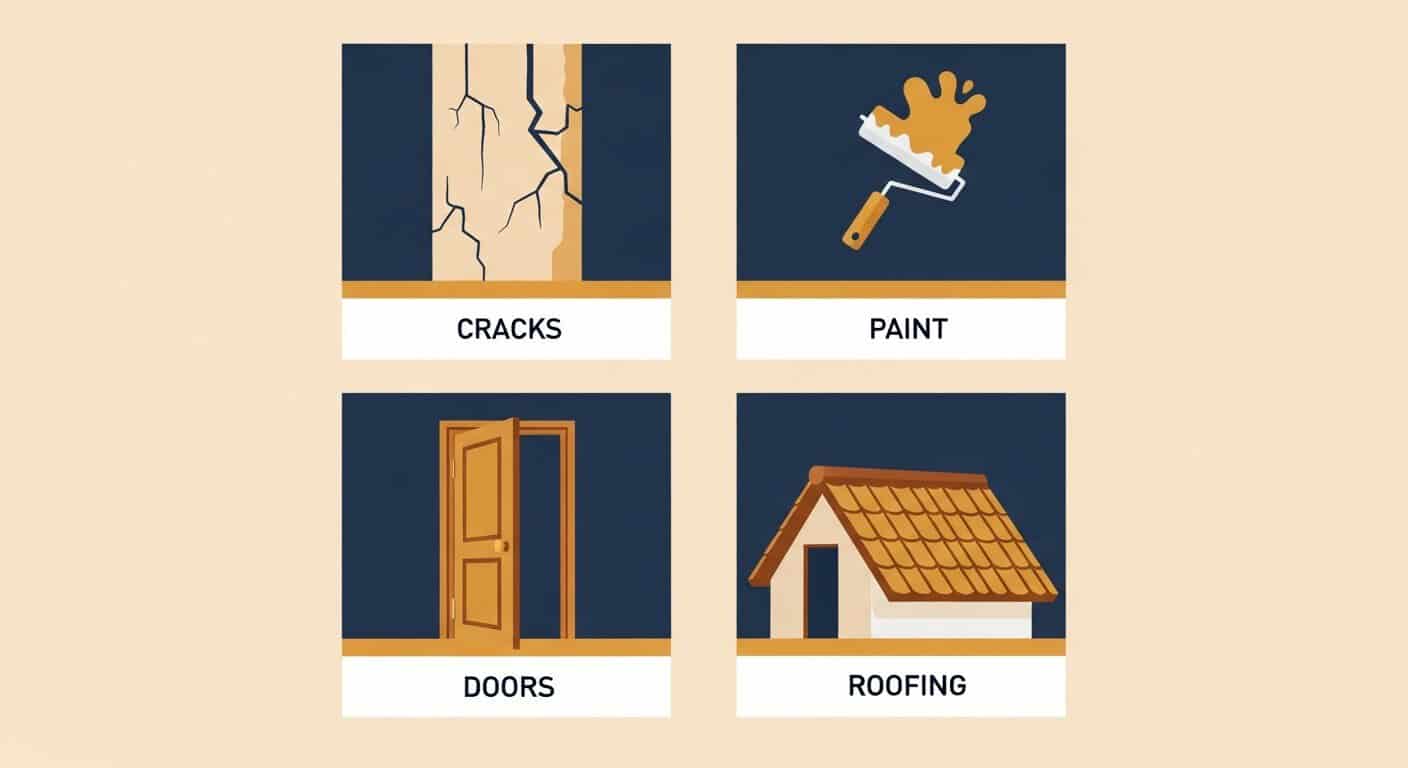
– Drywall cracks at corners (as opposed to centre-of-wall hairline) usually indicate movement. Documented patterns over multiple corners = structural.
– Tile cracking through grout (not just at the joint) indicates substrate movement.
– Door binding throughout the house suggests slab movement, not “settled timber.”
The defect is what it is — the photo, location, severity. The label “cosmetic” doesn’t make it go away if the cause is structural.
“Builder warranty doesn’t cover that”
The Victorian Domestic Building Insurance + the Statutory Warranty under section 8 of the Domestic Building Contracts Act 1995 cover:
– Defects in structure (10-year)
– Other defects (2-year)
Warranty CAN’T be contracted out of. Builders who say “that’s not covered” are usually trying to talk you out of a claim. The VBA dispute resolution path is open to homeowners — the inspection report is your evidence.
Common defects builders dismiss
| Defect | Builder line | What’s actually true |
|---|---|---|
| Wall out of plumb | “Within tolerance” | AS 4773 tolerance is 4mm/3m. Anything beyond is a defect. |
| Slab cracks <2mm | “Settling” | AS 2870 distinguishes shrinkage cracks from movement cracks. Pattern matters. |
| Drywall flange cracks | “Cosmetic” | Repeating pattern across multiple corners = structural movement. |
| Roof tile lippage | “Industry standard” | Practical Completion Inspection requires uniform lift and bedding. |
| Bath silicone staining | “Maintenance issue” | Within first 12 months of warranty = builder’s defect. |
| Squeaky floors | “Timber settling” | Loose joist hangers or insufficient nailing — fixable. |
| Brick efflorescence | “Cosmetic” | Indicates moisture migration — investigate and document. |
| Door clearances inconsistent | “Door swelled” | Frame out of square — fixable. |
| Chip in stone benchtop | “Acceptable” | If <12 months old and clearly defect, replace under warranty. |
| Render hairline cracks | “Settlement” | Document; if widening over 6 months = structural. |
How to push back
Building right now?
Star catches stage defects while your builder still has to fix them. Slab, frame, lock-up, fixing, PCI.
- Document everything in writing — photos, location, dimension, date noticed.
- Get an independent inspection report that cites the NCC clause and/or Australian Standard the defect breaches.
- Submit the report to the builder formally — email, request written response within 14 days.
- If denied or ignored: lodge a dispute with Domestic Building Dispute Resolution Victoria (DBDRV) — free, mandatory pre-litigation step.
- Escalate to VCAT if DBDRV doesn’t resolve — VCAT’s residential list is fast-track, low-cost.
What an independent VBA-registered inspector adds
A registered builder reading the framing, NCC, and AS clauses against the as-built work can:
– Cite the exact clause being breached
– Quantify the defect (mm, severity, repair method)
– Provide reports that hold up at DBDRV and VCAT
– Push back on “industry tolerance” claims with the actual tolerance number
Frequently asked questions
My builder said the inspection findings are “wrong.” Now what?
Builder disputes are common. The independent inspection report is one professional opinion; the builder’s is another. DBDRV will adjudicate based on documented standards, not opinions.
Can I refuse to make the practical completion payment until defects are fixed?
In Victoria, yes — you can withhold final payment for documented defects. Most builder contracts allow withholding 5% pending rectification of practical completion defects.
What’s the cost of a VBA-registered inspection?
Fixed-fee pricing depending on stage and home size. Call 0412 014 216 for a quote. Cheap insurance against builder pushback.
Book an independent stage inspection
New Home Stage Inspections — Melbourne West — VBA-registered builder, NCC-compliant reports, same-day delivery.
Related guides:
– Why Your Builder’s Inspection Is Not Enough
– PCI Checklist — Practical Completion Handover
– The 5 Stages of a New Home Build
– Frame Stage Inspection — What Your Inspector Checks
Call Michael direct on 0412 014 216 to book.
Defects builders dismiss — and what the Standard actually says
| Defect | Builder's line | The Standard |
|---|---|---|
| Cornice cracking | 'Settles in over time' | Within 3mm — AS3958 |
| Tile lippage | 'Normal handcraft' | Max 1mm — AS3958 |
| Paint coverage | 'Two coats applied' | Coverage uniform — NCC |
| Door alignment | 'Will settle' | Max 3mm out of plumb |
| Window seal | 'Acceptable' | No gaps to outside |
| Render crazing | 'Cosmetic' | No crack width > 0.3mm |
What customers say about Star
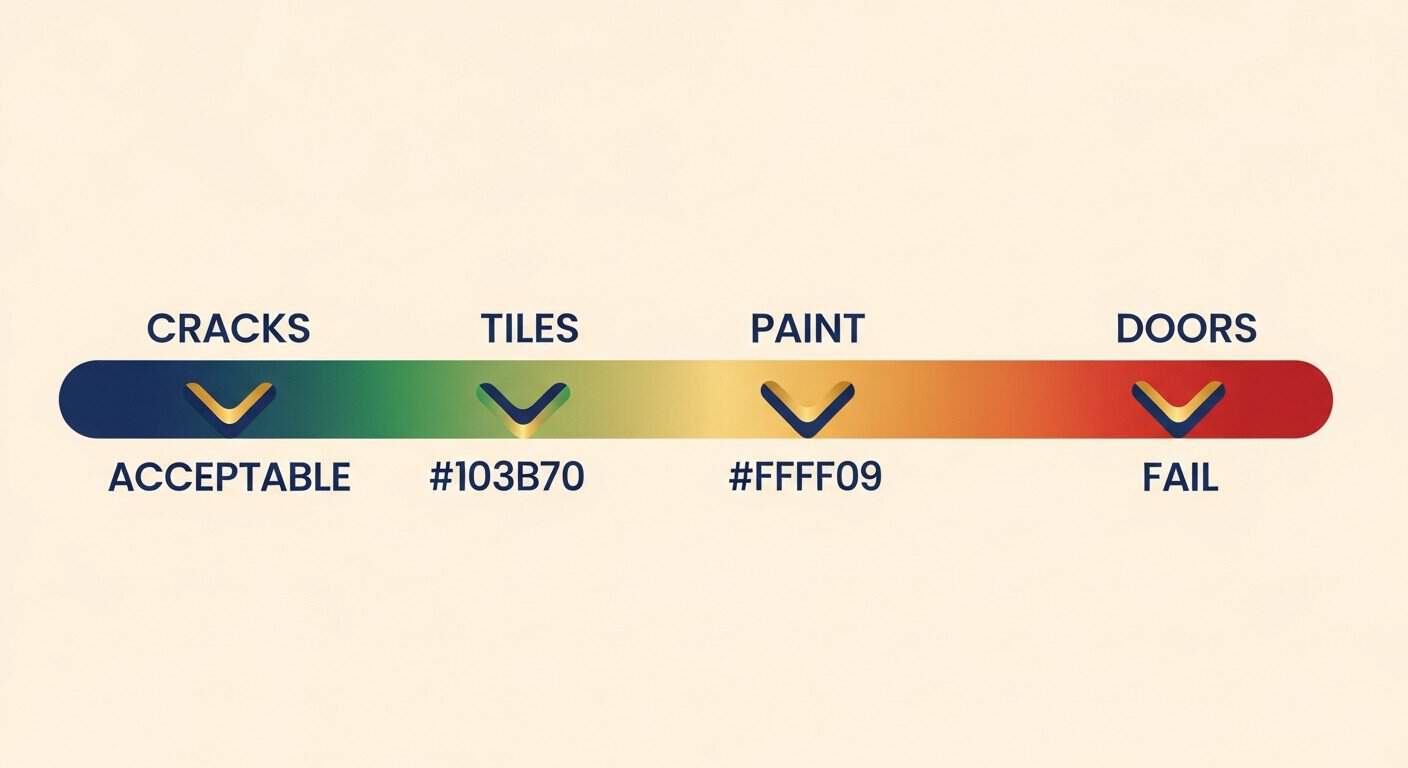
How we grade defects
Your builder's "inspector" is paid by the builder. Their job is to sign off, not to find defects. By the time you spot the issue at handover, contracts are signed and the build company has moved on.
Star is an independent VBA-registered builder hired by you, not by the builder. We attend at slab, frame, lock-up, fixing and PCI stages — finding defects while the builder still has to fix them under contract.
Why customers choose Star
Across Melbourne's west
Chain inspectors vs Star
| Factor | Chain inspector | Star (independent) |
|---|---|---|
| Inspector continuity | Rotating staff | Michael every time |
| VBA-registered builder | ✗ | ✓ |
| Report walkthrough | ✗ | yes — phone call |
| Same-day report | ✗ | yes (by 6pm) |
| Cost | $300-450 | $450-650 |
Why book Star Building Inspections?
Star Building Inspections is owned and operated by Michael Tuder — a VBA-registered builder with 20+ years inspecting homes across Melbourne's western corridor. Michael personally attends every inspection, writes every report, and calls every customer to walk them through the findings line by line. No contractors. No rotating staff. No outsourced sign-offs.
Book your stage inspection
Slab, frame, lock-up, fixing or PCI — independent oversight catches defects while your builder still has to fix them under contract.